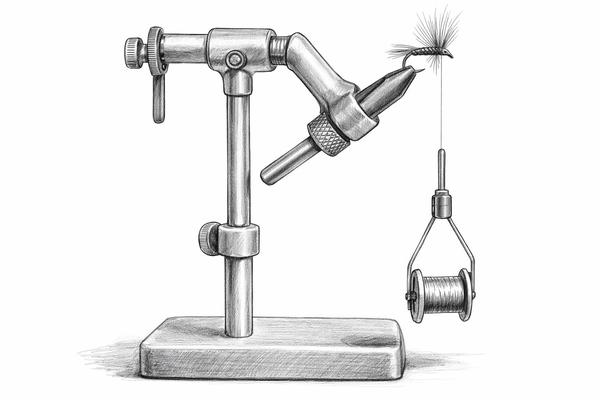
In this episode of Southeastern Fly, we talk about something most fly anglers eventually spend time doing, tying flies. After spending time recently tying at Little River Outfitters and working through a few patterns at the vise, we decided to walk through some practical fly tying thoughts that can help both beginners and experienced tiers improve their
flies.
Rather than focusing on a single pattern, we discuss principles that apply across the board. From thread control and material selection to building better dry flies, nymphs, and streamers, the conversation centers around small adjustments that can make a big difference in how your flies look, hold up, and ultimately fish.
A big takeaway from this discussion is that
nothing in fly tying is absolute. There are many different ways to approach tying, and improvement usually comes from experimenting, refining your technique, and learning what works best for you at the vise and on the water.
Key Highlights:
- Thread Control Matters: Consistent tension and flat thread wraps help prevent materials from spinning and create a clean foundation for the
fly.
- Less Material Is Often Better: Sparse flies tend to look more natural in the water and often fish better than overdressed patterns.
- Building a Clean Thread Base: A smooth underbody allows materials like chenille, ribbing, and wire to lay evenly and improve the overall appearance of the fly.
- Dry Fly Balance and Proportion: Proper tail length, correct hackle
size, and avoiding crowding the hook eye all help a dry fly float and fish the way it should.
- Strategic Weighting for Nymphs: Adjusting where and how much weight is added can change how a fly sinks and fishes in different water conditions.
- Reinforcing with Ribbing: Counter-wrapping wire over delicate materials improves durability and helps flies last through more fish.
- Movement Over Bulk in Streamers: Choosing materials that breathe and pulse in the water can create more realistic action than simply adding more material.
- Using Flash Carefully: A few strands can suggest the flash of baitfish without overpowering the pattern.